The North Warning System: Canada's Aging Arctic Radar Line and Its Over-the-Horizon Successor
By Leila Voss · October 19, 2026
Category: systems-technology-reviews
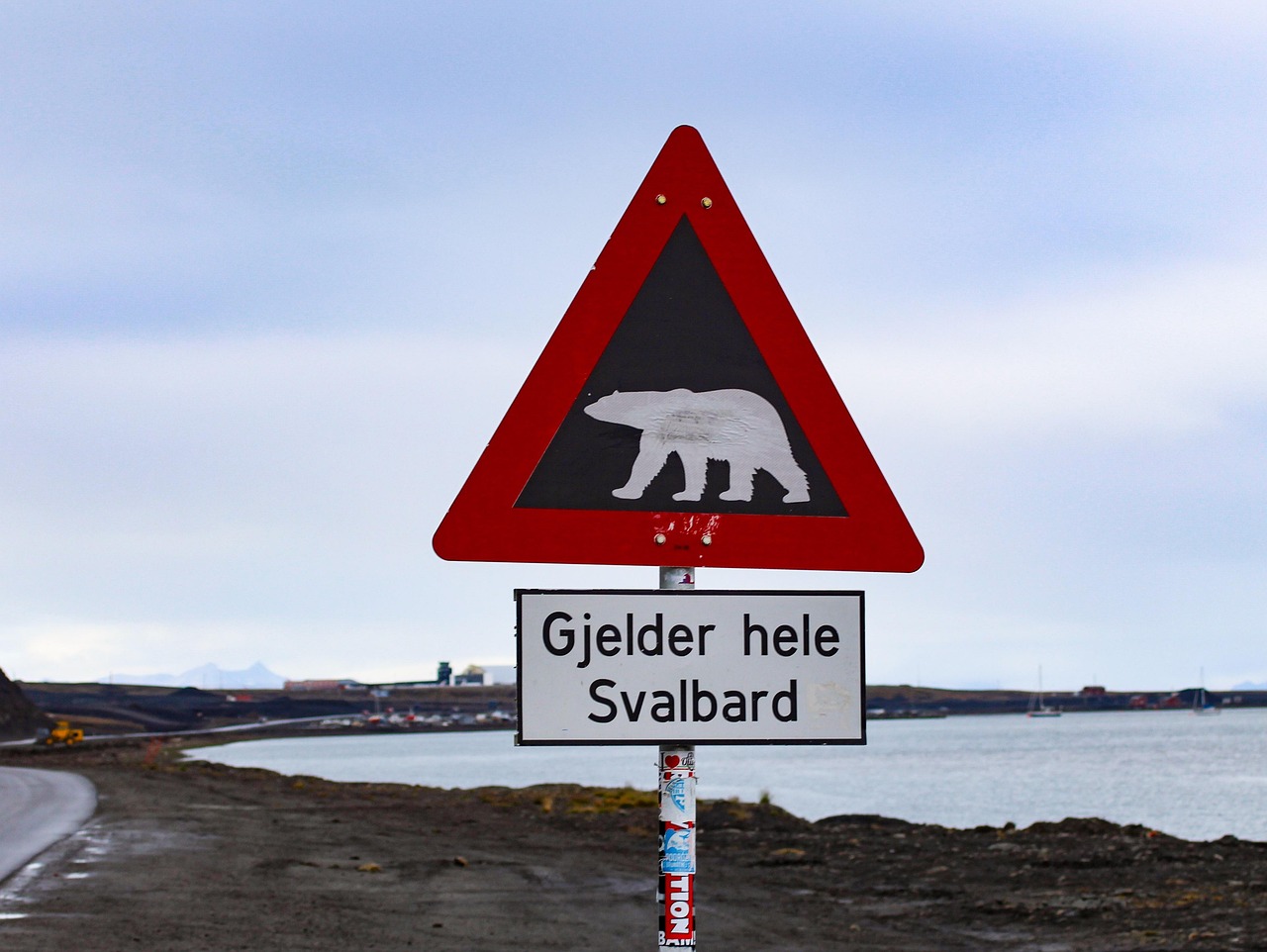
The 47-station North Warning System was not built for hypersonic threats. Canada's $2.5 billion Arctic radar deal starts its supplement, but not before 2029.
Key takeaways
The problem North America's northern radar line was built for older threats, and early warning of cruise and hypersonic missiles has gaps.
Core insight Canada signed a $2.5 billion deal in June 2026 for an Arctic Over-the-Horizon Radar, with the first system due by December 2029 and a second by 2032.
Practical outcome Watch delivery against those dates, and remember that warning is not defence.
The North Warning System is a chain of 47 radar stations stretched from Labrador to Alaska, and it was not designed to see the weapons that now worry North American planners. Canada has just signed a deal to start replacing its role with a very different kind of radar, one that looks over the horizon.
This analysis explains what the North Warning System is, why it is being supplemented, and what the June 2026 agreements do and do not change.
Why the North Warning System Matters
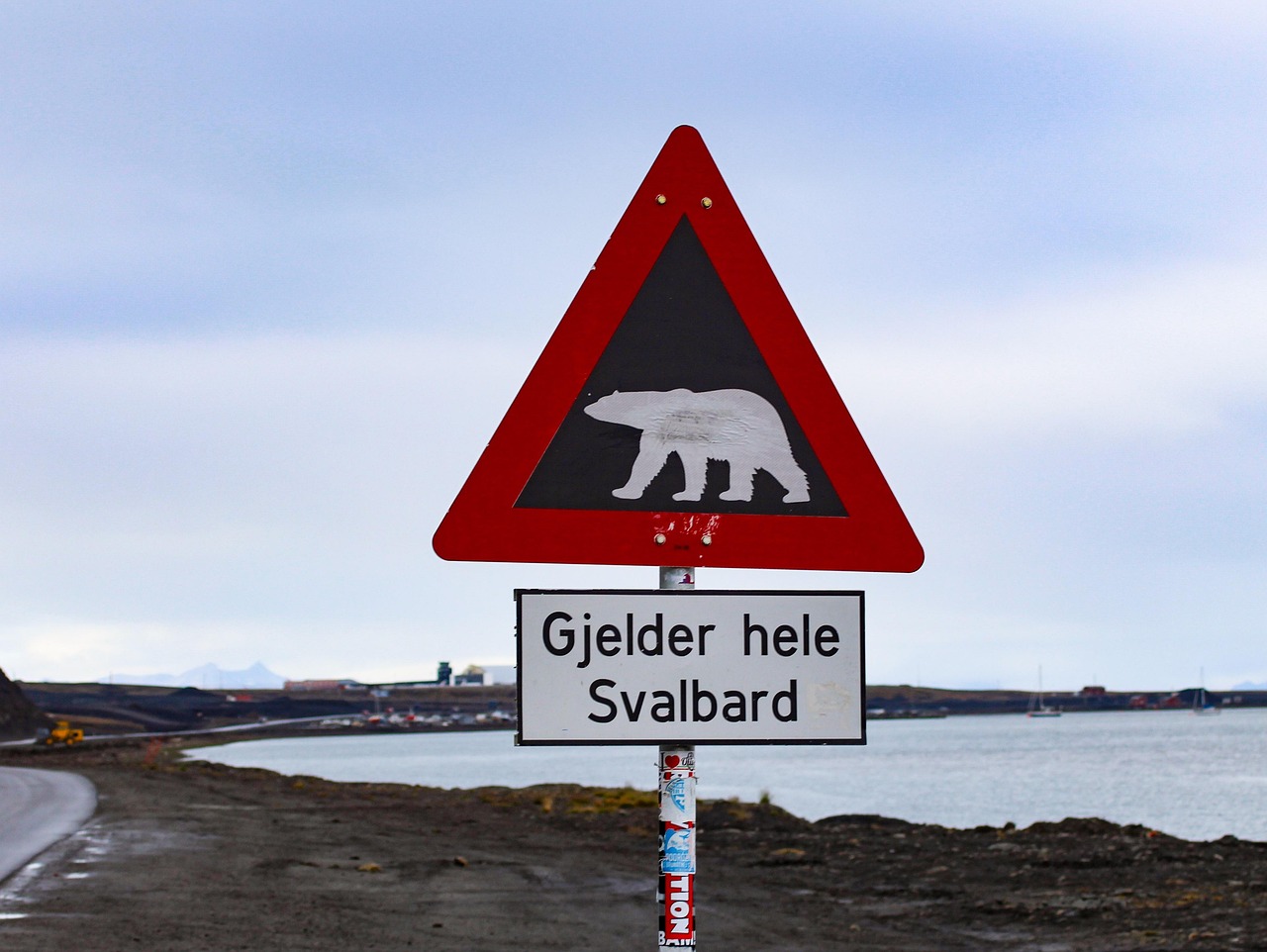
North America's northern approaches are long, empty and cold, and early warning there underpins how Canada and the United States defend their airspace through NORAD, the North American Aerospace Defense Command. The North Warning System is the existing line of surveillance. According to Arctic Today, republishing Nunatsiaq News, it "addresses gaps in the aging North Warning System" that the new radar will help close, and the existing systems were not built to detect newer threats such as long-range cruise missiles and hypersonic weapons.
That is the core issue. The system works for the threat it was built for. The threat has changed.
Program Background

The North Warning System is a joint U.S.-Canadian network of 47 radar stations running from Labrador to Alaska. The word "aging" in current reporting is meaningful: its life is being extended while replacements are built. On May 19, 2026, the U.S. Air Force awarded a $40 million contract to IAP World Services to replace deteriorating radomes, the protective domes, on AN/FPS-124 low-altitude radars, as reported by Army Recognition. That is maintenance, not replacement, and it signals how long the existing line must keep working.
The new element is the Arctic Over-the-Horizon Radar. On June 25, 2026, the federal government announced four agreements with Australia and BAE Systems Australia to deliver it. Stephen Fuhr, Canada's secretary of state for defence procurement, and Richard Marles, Australia's deputy prime minister and defence minister, signed in Canberra.
Technical Profile

An over-the-horizon radar bounces signals off the ionosphere to look beyond the line of sight, which lets one installation watch a very large area. Ground radars like those in the North Warning System, by contrast, see only as far as the horizon allows, so a long line of stations is needed. We did not find a published technical description of the Canadian system's design in our sources, so we limit ourselves to the general principle.
The confirmed program facts are these:
- The $2.5 billion deal buys the radar system itself. The full program, including infrastructure, installation and integration, is estimated at more than $6 billion by the Department of National Defence.
- The first of two radar systems will be built in southern Ontario, at sites in the Kawartha Lakes region and Clearview Township. BAE Systems Australia was expected to begin work on July 1.
- The first system is expected to be operational by December 2029. The second, in Canada's Far North, is planned for completion by 2032.
Core Capabilities
The stated purpose is earlier warning of missile and hypersonic threats approaching the north. The first radar is in southern Ontario, not the Arctic. Its coverage reaches north from there. This is a design choice that favours a site with infrastructure and workforce over a remote one. The second system is the one intended for the Far North.
Operational Limitations
- Time. The first operational date is December 2029, and the second system is not due until 2032. Until then, the older line carries the load. For how new systems are judged before they work, see our guide to evaluating a new weapons system.
- Warning is not defence. A radar tells you something is coming. It does not intercept it. Interceptors, command systems and decision time are separate problems. Our piece on allied air defense shortfalls covers the interceptor side.
- Unproven in this setting. We found no published performance data for the Canadian installation.
- Local benefit. Alexander Dalziel of the Macdonald-Laurier Institute noted that northern communities are unlikely to see immediate benefits from this phase, since the work is mostly in Ontario.
"putting the basic resources in place"
- Alexander Dalziel, Macdonald-Laurier Institute, on Canada's ambition to be an Arctic power, Arctic Today
Comparison to Peer Systems
Our sources do not describe a direct peer comparison, and the Arctic Today article does not mention Australia's own over-the-horizon radar. We therefore will not claim a lineage. What the deal does show is a partnership choice: Canada is buying from an allied partner under government-to-government agreements, rather than building from scratch.
Combat Record or Field Performance
The North Warning System is a surveillance network, not a combat platform, so it has no combat record in the ordinary sense. Its field performance is its availability over decades, which is why the radome contract exists. The Arctic radar has no field record because it does not yet exist.
Procurement and Industrial Base Implications
The government estimates the radar program will add about $290 million a year to gross domestic product and about 2,270 jobs a year from 2026 to 2033. Dalziel said the deal shows Canada is taking action on Arctic sovereignty and signals to NATO allies that Canada is "putting the basic resources in place" to be an Arctic power.
The political reading is split. James Bezan, the Conservative defence critic, wrote "About time," and added: "One signed contract is not enough" to meet the prime minister's campaign promise. Conservatives said they remain skeptical until equipment is delivered and operational. Total NORAD modernization funding figures differ across sources, so we do not cite one.
Final Assessment
The North Warning System is aging, the threats have outgrown it, and the June 2026 agreements start a long, costly replacement path. The decisive facts will not arrive soon: operational status in December 2029, a second system by 2032, and delivery against the promises made. In the meantime, the old line must keep working, and the radome contract shows that is a real task.
FAQs about the North Warning System
What is the North Warning System?
A chain of 47 radar stations from Labrador to Alaska, jointly operated by the United States and Canada, supporting NORAD's early warning of airborne threats.
Why is the North Warning System being supplemented?
Reporting says the existing systems were not built to detect newer threats such as long-range cruise missiles and hypersonic weapons.
What did Canada sign in June 2026?
Four agreements with Australia and BAE Systems Australia to deliver an Arctic Over-the-Horizon Radar system, a $2.5 billion deal within a program estimated above $6 billion.
When will the new radar be operational?
The first system, in southern Ontario, is expected to be operational by December 2029. A second system in the Far North is planned for 2032.
Does the radar stop missiles?
No. It provides earlier warning. Interception requires separate weapons and command systems.
Frequently Asked Questions
What is the North Warning System?
A chain of 47 radar stations from Labrador to Alaska, jointly operated by the United States and Canada, supporting NORAD's early warning of airborne threats.
Why is the North Warning System being supplemented?
Reporting says the existing systems were not built to detect newer threats such as long-range cruise missiles and hypersonic weapons.
What did Canada sign in June 2026?
Four agreements with Australia and BAE Systems Australia to deliver an Arctic Over-the-Horizon Radar system, a $2.5 billion deal within a program estimated above $6 billion.
When will the new radar be operational?
The first system, in southern Ontario, is expected to be operational by December 2029. A second system in the Far North is planned for 2032.