Military Drones Explained: Six Types, Their Roles and Their Limits
By Declan Farr · November 6, 2026
Category: systems-technology-reviews
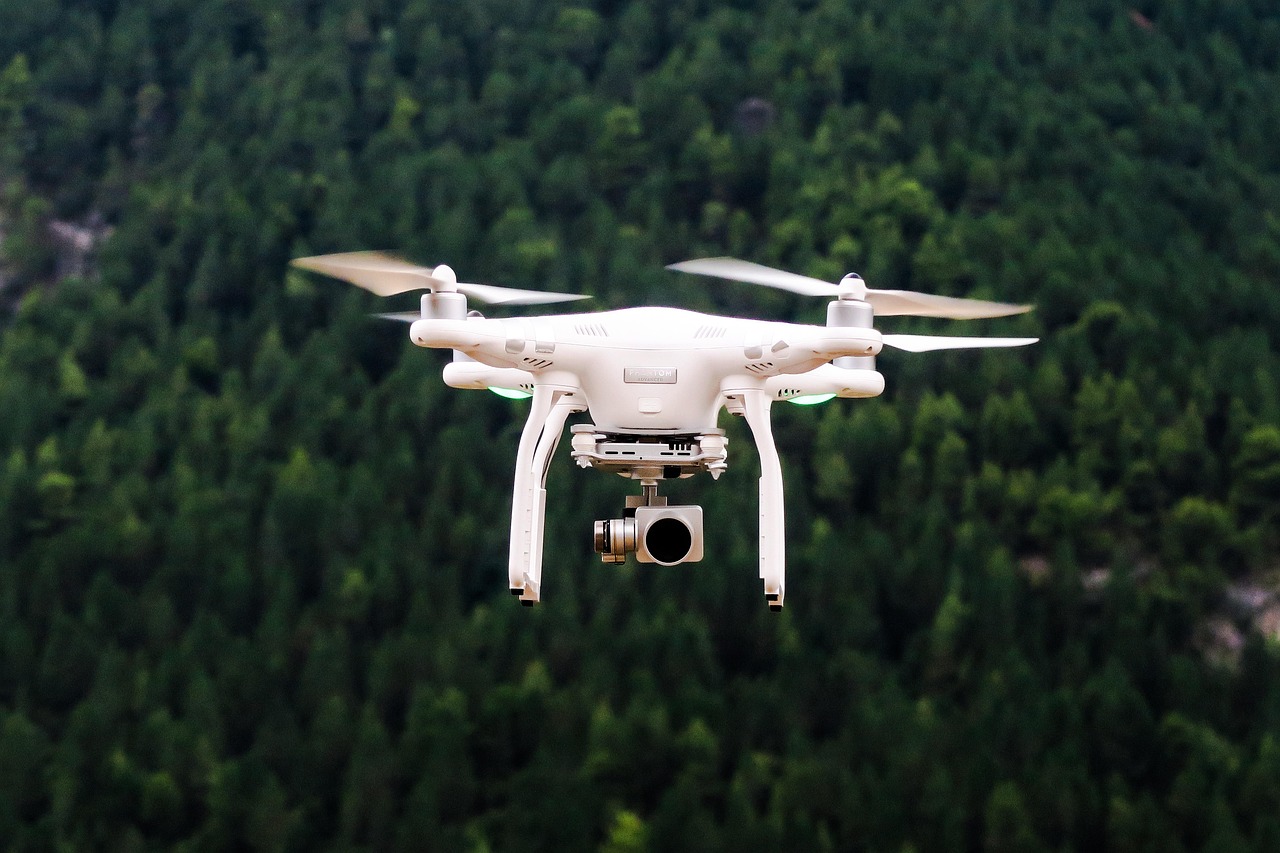
A guide to military drone types: surveillance, strike, one-way attack, FPV, collaborative combat aircraft and interceptors, with sourced examples and limits.
Key takeaways
The problem The word drone hides types with very different costs, ranges and defenses.
Core insight Surveillance aircraft, strike drones, one-way attack drones, FPV drones, collaborative combat aircraft and interceptors each call for different defenses.
Practical outcome Name the type before judging a threat; low-cost drones overwhelm costly defenses, which pushes buyers toward cheaper interceptors.
"Drone" covers a hobby quadcopter that costs a few hundred dollars and a long-endurance aircraft that costs tens of millions. The word is useful only when it comes with a type. This guide sorts military drones into the categories that analysts actually use, with sourced examples for each.
It relies on the Congressional Research Service report on Pentagon counter-drone programs, CSIS munitions analysis and recent Breaking Defense reporting. For how drones changed war, our earlier piece on how drones changed the battlefield gives the history.
Why Drone Types Matter Now

Drones now shape budgets, doctrine and defense planning. The Congressional Research Service writes that the size, speed and altitude at which many drones fly, along with their growing ubiquity, flexibility, affordability and sophistication, are widely seen as creating significant technical and operational challenges for the Department of Defense.
"The size, speed, and altitude at which many drones fly, as well as the increasing ubiquity, flexibility, affordability, and sophistication of these aircraft, are widely seen as creating significant technical and operational challenges for the U.S. Department of Defense."
- Congressional Research Service, DOD Counter-UAS: Background and Issues for Congress, March 31, 2025
What the Technology Actually Does
A military drone is an aircraft without a pilot aboard, controlled by a remote operator, by pre-set instructions or by onboard software. The Pentagon sorts uncrewed aircraft into five groups by maximum takeoff weight, operating altitude and speed. Groups 1 to 3 are the smaller aircraft, which the Department treats as "small" for counter-drone purposes, and Groups 4 and 5 are the larger ones, according to CRS. This size classification tells you what can defeat a drone, which is why it matters more than the name.
Current Military Applications: Six Types
1. Surveillance and reconnaissance aircraft
Long-endurance aircraft watch large areas. The MQ-9B is an example: the Coast Guard has ordered four, which the manufacturer says can fly more than 30 hours with a roughly 1,200 nautical mile mission radius. We cover the order in our MQ-9B analysis.
2. Armed strike drones
The same class can carry weapons. The airframe discussed above has nine hardpoints, according to its manufacturer, while the Coast Guard has said its aircraft will not be armed.
3. One-way attack drones
These fly to a target and explode. The Iranian Shahed family is the best-known. CRS notes that the largest Shahed drones could carry up to about 50 kilograms (101 pounds) of explosives, per Department officials, and that they have been used by the Houthis against shipping and by Russia against Ukrainian cities. CSIS reports that the United States copied the Shahed-136 as the Low-Cost Uncrewed Combat Attack System, priced at about $35,000, with a range of roughly 500 miles and a 40-pound warhead. See our report on jet-powered Shaheds in Ukraine.
4. First-person-view and small tactical drones
Operators fly these using a camera feed from the drone. CRS notes that Russia and Ukraine have equipped front-line forces with FPV one-way attack drones armed with explosives to supplement artillery. CSIS says that their range, roughly 20 miles, limits them to the front line.
5. Collaborative combat aircraft
These are jet-powered uncrewed wingmen meant to fly with crewed fighters. In June, the Air Force selected Anduril and General Atomics for its first round, and Northrop Grumman, which was not selected, flew its self-funded Talon Blue demonstrator for the first time, per Breaking Defense on October 5, 2026. Our analysis of the X-BAT covers a related effort.
6. Interceptor and counter-drone drones
Drones now hunt drones. Germany's package for Ukraine includes turbojet-powered interceptors, as we describe in our analysis of the German aid. CSIS also lists low-cost counter-drone interceptors such as Anduril's Roadrunner and Raytheon's Coyote.
Operational Advantages
Drones remove the pilot from risk, cost less than crewed aircraft in many roles, and can be produced in large numbers. They also stay in the air longer than a human crew can endure. The key economic fact, from CSIS's analysis, is that low-cost drones can overwhelm expensive defenses: Iran fired more than 2,000 drones in the first four days of the 2026 war.
Technical and Strategic Limitations
- Short endurance and range for small drones, as the FPV figure shows.
- Vulnerability to electronic warfare. Links can be jammed and navigation spoofed, which is why Russia's Geran drones have shown rapid antenna upgrades, according to CSIS reporting cited by Breaking Defense.
- Autonomy limits. A drone that cannot function without a link is exposed to jamming, and one that can function without it raises policy questions. See CRS on U.S. policy on lethal autonomous weapon systems.
How Adversaries May Respond
The response is layered counter-drone defense: sensors, jamming, guns, interceptors and lasers. Our counter-drone guide covers the layers, and our piece on loitering munitions covers the category that sits between a drone and a missile.
Drone Economics in Four Numbers
Four figures from CSIS's April 2026 munitions analysis show why drones strain defenses. A U.S. copy of the Shahed-136 costs about $35,000. A JDAM guidance kit costs about $66,000. An AMRAAM air-to-air missile costs about $1.03 million, and CSIS notes that U.S. and Gulf forces used air-to-air missiles costing roughly $1 million each to shoot down drones because they lacked cheap interceptors. CSIS calls this better than letting the drone through, but not a long-term solution.
The lesson is not that drones always win the exchange. Our cost-exchange audit explains that defended value matters. The lesson is that defenders must match cheap threats with cheap, numerous responses, such as APKWS guided rockets, gun systems, electronic warfare and low-cost interceptor drones, while keeping expensive missiles for threats that need them.
How to Read a Drone Claim
- Ask which type. A claim about "drones" that mixes reconnaissance aircraft with one-way attack munitions is not a claim about one thing.
- Look for the denominator. "Shot down or suppressed" counts differ from kills. The Germany package reporting, for example, cites an August estimate of roughly 4,288 of at least 5,166 launched, which includes decoys and suppression.
- Separate producer claims from field data. Endurance and payload figures, such as 30 hours or 40 hours, are manufacturer figures until a service publishes test data.
- Check the date. Drone technology, costs and countermeasures change within months.
Final Assessment
A single word hides at least six different weapons with different costs, ranges and defenses. Name the type before judging the threat or the defense. The data in the sources above supports three conclusions: drones are cheap relative to the interceptors that face them, they are produced in large numbers, and the defense is shifting to cheaper and more numerous interceptors.
Frequently Asked Questions
How does the Pentagon classify drones?
Into five groups by maximum takeoff weight, operating altitude and speed. Groups 1 to 3 are treated as small drones.
What is a one-way attack drone?
A drone that flies to a target and explodes. The Iranian Shahed family is the best-known example.
What is a collaborative combat aircraft?
A jet-powered uncrewed wingman designed to fly with crewed fighters. The Air Force chose Anduril and General Atomics for its first round.
Why are drones a problem for air defense?
They are cheap and plentiful. CSIS reports Iran fired more than 2,000 in four days, which can exhaust costly interceptors.